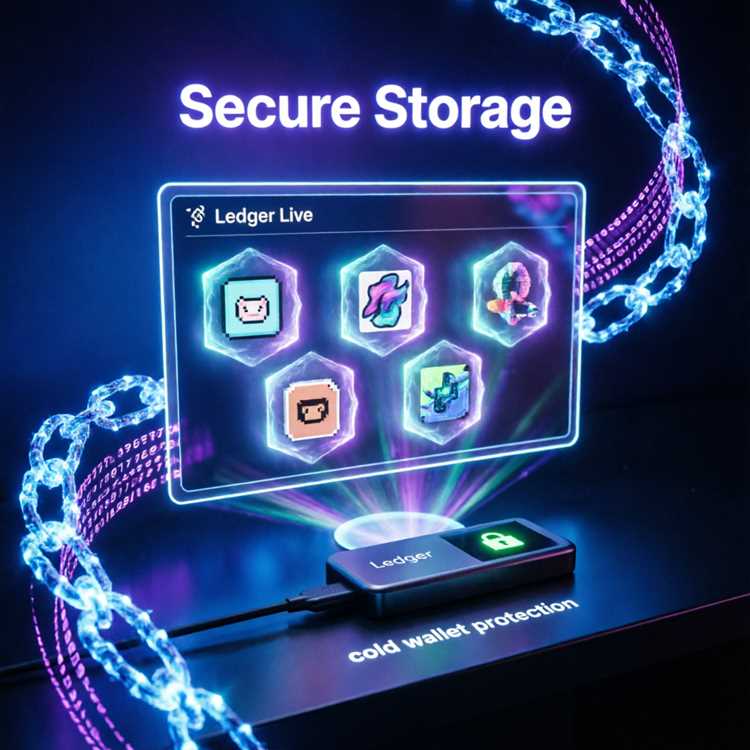
Managing NFTs requires a secure environment that keeps your digital assets safe. The Ledger Live app offers a complete solution for both storage and display of your NFTs. This guide will help you manage NFTs on Ledger Live App: Secure Storage & Display. You will learn how to handle your collection with confidence. Every step focuses on protecting your investments while giving you full control over your NFTs.
Digital art and collectibles need special care. Unlike cryptocurrencies, NFTs carry unique identifiers that require separate handling. Ledger Live connects directly to your hardware wallet. This setup ensures your private keys never leave the device. Your NFTs stay protected from online threats and unauthorized access at all times.
Understanding the full feature set of Ledger Live changes how you interact with your NFTs. From viewing artwork to transferring assets, every action benefits from the security of your Ledger device. The app provides a clear interface for beginners while offering advanced options for experienced collectors. Let us explore the tools and methods available for managing your NFT portfolio within this trusted ecosystem.
Why Choose Ledger Live for Your NFT Collection
Selecting the right platform for NFT management matters for long term security. Ledger Live combines software convenience with hardware protection. This approach sets it apart from other wallet solutions that rely solely on software security measures.
Hardware Level Protection for Digital Assets
Keeping NFTs on a hardware wallet prevents online theft. Ledger devices store your keys offline. This makes remote attacks impossible. Even if your computer gets infected with malware, your NFTs remain safe. The hardware never exposes your private keys to the internet.
Many NFT owners lose assets through phishing or exchange hacks. Using a hardware wallet eliminates these risks. Your approval must come physically through the device. Every transaction requires button confirmation on the Ledger itself. This extra step stops unauthorized transfers completely.
Centralized Dashboard for All Your NFTs
Managing NFTs across different blockchains becomes simple with Ledger Live. The app aggregates your collection in one place. You can see NFTs from Ethereum, Polygon, and other supported networks. This unified view saves time compared to checking multiple explorers or wallets.
Ledger Live updates automatically when you acquire new NFTs. The display shows metadata, images, and ownership details. This feature helps you track your portfolio without switching between applications. Everything lives within the same secure environment.
Getting Started with Ledger Live for NFT Management
Setting up your Ledger device for NFTs requires a few initial steps. The process works similarly for both new and existing users. Follow these actions to prepare your environment for NFT storage and viewing.
Installing the Latest Ledger Live Version
Start by downloading the most recent version of the app. You need either the desktop application or the mobile version. For mobile users, access the ledger live mobile.ledger live update to ensure compatibility with NFT functions. Older versions may lack necessary updates for NFT support.
Regular updates bring new blockchain support and security patches. Check for updates monthly to maintain optimal performance. The installation process takes less than five minutes on average. After installation, connect your Ledger device via USB or Bluetooth.
Adding NFT Capable Accounts
Not all accounts within Ledger Live support NFTs. You must create or add Ethereum and Polygon accounts first. These networks host the majority of NFT projects today. Go to the accounts section and select add new account. Your Ledger device will guide you through the setup process.
Each blockchain requires its own account. Having separate accounts helps organize your collection by network. This setup also simplifies transaction tracking and fee management. You can add multiple accounts under the same device without limitations.
Understanding NFT Storage on Ledger Live
Storing NFTs means more than just holding a digital file. The blockchain records ownership through smart contracts. Ledger Live interacts with these contracts to show your assets. Understanding this process helps you manage NFTs on Ledger Live App properly.
How NFTs Live on the Blockchain
Your NFT never leaves the blockchain. Only the private keys controlling the wallet move to the device. This distinction matters for security. The NFT management Ledger operations rely on your hardware for signing. The actual tokens stay recorded on their respective chains.
When you buy or transfer an NFT, the network records the change. Your Ledger device signs the transaction to prove ownership. The blockchain then updates the owner field. This process ensures no one can steal or duplicate your NFTs without your physical approval.
Supported Blockchains for NFTs
Ledger Live supports several blockchains for NFT storage. Ethereum remains the most common choice for digital collectibles. Polygon offers lower fees while maintaining compatibility. Other networks like BNB Chain and Solana may receive updates for future support.
Check the official documentation for the latest supported networks. Each blockchain has unique address formats and fee structures. Understanding these differences helps you avoid sending NFTs to unsupported networks. The app clearly indicates which chains work with your current setup.
Managing across multiple blockchains requires separate accounts. Each account maintains independence from the others. This separation prevents cross chain errors. Your Ledger Live features adapt to the selected network automatically.
Viewing Your NFTs with Ledger Live Display Features
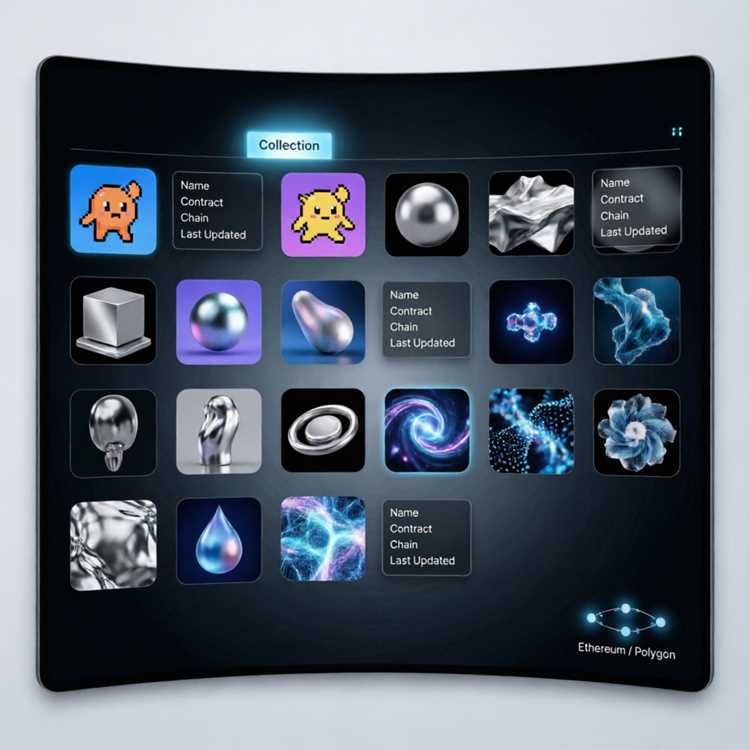
Seeing your NFTs in the app provides immediate feedback about your collection. The Ledger Live NFT display shows images, metadata, and transaction history. This visibility helps you track acquisitions and verify ownership without visiting external sites.
Navigating the NFT Gallery
Open the NFT tab within your account to see all owned tokens. The gallery displays each NFT as a thumbnail with basic details. Click any item to see full resolution images and attribute information. This view works for both artwork and utility based NFTs.
The display updates automatically after each transaction. New arrivals appear at the top of the gallery. You can sort by date, collection, or network. This organization helps manage large collections efficiently. The interface supports both portrait and landscape orientations.
Checking Metadata and Rarity Scores
Each NFT comes with embedded metadata. This data includes the token name, description, and creator information. Some collections include rarity scores within the metadata. Ledger Live displays this information directly in the details panel. You do not need third party sites for basic verification.
Rarity scores help determine the value of individual pieces within a collection. The app pulls this data from the token contract. Updates to metadata require the issuing project to modify the contract. Always verify important details through multiple sources when making purchase decisions.
Best Practices for Secure NFT Storage on Ledger
Keeping your NFTs safe requires active participation. The hardware provides the foundation, but your habits determine overall security. Following these practices reduces risks significantly. Every collector should adopt these methods for long term protection.
Secure NFT storage begins with your recovery phrase. Store this phrase in a physical location away from your device. Never enter it into any website or app. Ledger will never ask for your recovery phrase. Anyone who obtains this phrase can access your entire wallet.
- Write your recovery phrase on the provided card only. Do not save it digitally in any form. Photos, cloud storage, and text files all create security risks.
- Keep your Ledger device firmware updated. Updates fix vulnerabilities and add new features. Check for updates in the Ledger Live manager section monthly.
- Verify all transaction details on your device screen. Do not trust the computer display alone. Malware can modify what you see on the monitor without your knowledge.
Using a unique PIN adds another layer of protection. Your PIN protects the device from physical access attempts. Choose a code you remember but others cannot guess. The device wipes itself after three wrong PIN attempts. This feature prevents brute force attacks entirely.
Transferring NFTs to Your Ledger Account
Moving NFTs from exchanges or other wallets requires careful execution. The process involves copying your receiving address correctly. One mistake can result in permanent loss. Follow each step deliberately to maintain ownership control.
Finding Your Receive Address
Open the account where you want to receive the NFT. Click receive and approve the address on your Ledger device. The screen shows your public address for the selected blockchain. Copy this address exactly as displayed. Do not type it manually to avoid errors.
Each blockchain uses different address formats. Sending an Ethereum NFT to a Bitcoin address will result in loss. Always verify that the receiving account matches the NFT network. The app displays the network name alongside the address for clarity.
Initiating the Transfer from the Sending Platform
On the exchange or wallet holding your NFT, select send. Paste your copied address carefully. Review the address character by character before confirming. Many wallets allow you to scan a QR code instead. Using the QR code eliminates typographical errors completely.
Transaction fees apply based on network conditions. Ethereum fees tend to be higher during peak usage. Consider waiting for lower gas prices if the transaction is not urgent. Polygon offers lower fees while maintaining speed for smaller value NFTs.
Troubleshooting Common Ledger Live NFT Issues
Technical problems may occur when managing NFTs. Most issues have simple solutions. Understanding common problems helps you resolve them quickly. This knowledge prevents frustration during important transactions.
NFTs Not Displaying in the Gallery
Missing NFTs usually relate to network delays or account settings. Refresh your account by swiping down on mobile or pressing refresh on desktop. Check that you selected the correct blockchain account. Some NFTs need a few minutes to appear after transfer.
If the NFT still does not show, verify the transaction on a blockchain explorer. Use sites like Etherscan to confirm the token reached your address. If the explorer shows ownership but Ledger Live does not, update the app to the latest version. Older versions may lack support for certain token standards.
Transaction Failures During Transfer
Failed transfers often result from insufficient funds for gas fees. Each blockchain requires native tokens to pay transaction costs. Ethereum needs ETH, Polygon needs MATIC. Check your balance before initiating any transfer. Low balance prevents the network from processing your request.
Another cause is outdated contract approvals. Some NFTs require approval before transfer. Use the Ledger Live interface to check and manage your token approvals. Revoke approvals for contracts you no longer use. This practice also improves overall wallet security.
Comparing Ledger Live NFT Features to Other Wallets
Understanding how Ledger Live stacks up against alternatives helps you make informed choices. Many wallets offer NFT support, but few combine it with hardware security. This comparison highlights the key differences that matter for collectors.
| Feature | Ledger Live | Software Wallets | Exchange Wallets |
|---|---|---|---|
| Private Key Storage | Offline hardware device | On connected device | On exchange servers |
| NFT Viewing | Built in gallery | Depends on wallet | Limited to platform |
| Transaction Signing | Physical button press | Software confirmation | Exchange approval |
| Cross Chain Support | Multiple networks | Typically one chain | Exchange limited |
| Recovery Options | 24 word seed phrase | Seed or private key | Account recovery |
Software wallets offer convenience but lack hardware isolation. Your keys remain on an internet connected device. This setup makes them vulnerable to phishing and malware attacks. Exchange wallets introduce counterparty risk. If the exchange gets hacked or freezes withdrawals, you lose access to your NFTs.
Ledger Live provides the best balance of security and usability for serious collectors. The hardware component ensures your NFTs remain safe even if your computer is compromised. The software interface makes management straightforward without sacrificing protection. For large collections or high value items, this combination becomes essential.
Your private key management stays fully under your control with Ledger. No third party can freeze or seize your assets. This independence matters for long term collectors who want true ownership of their digital property.
Advanced Features for Power Users
Experienced users can leverage additional tools within Ledger Live. These features extend functionality beyond basic storage and display. Understanding these options helps you maximize the platform potential for your collection.
Using Ledger Live with Third Party Dapps
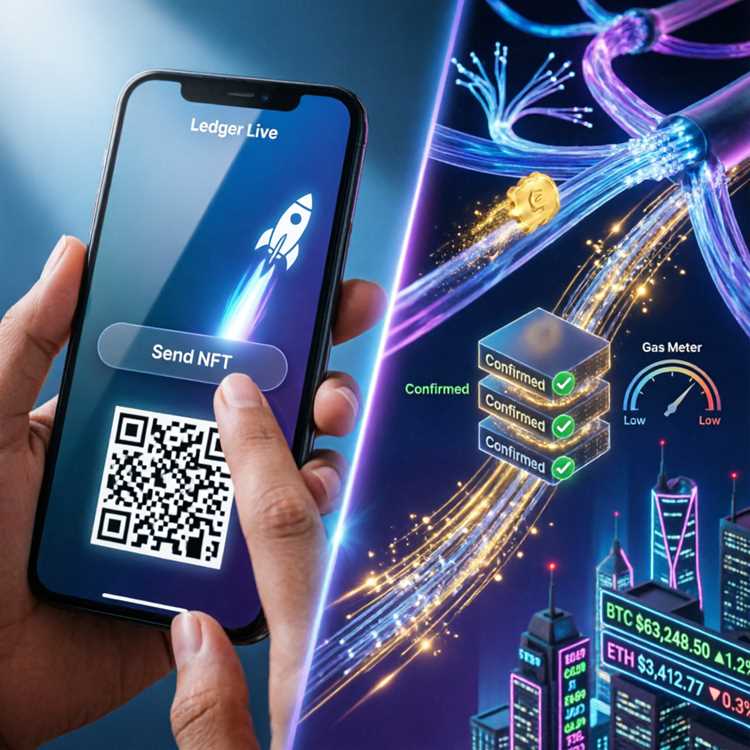
Ledger Live connects with decentralized applications through Web3 integration. You can browse NFT marketplaces directly from your secure environment. The connection uses your Ledger device for transaction signing without exposing your keys to the dapp.
Web3 compatibility allows you to buy, sell, and trade NFTs without leaving the secure hardware environment. Your browser communicates with the dapp while your Ledger approves every action. This setup combines marketplace access with hardware level security. Power users appreciate this seamless integration.
Managing Multiple NFT Accounts
Some collectors maintain separate wallets for different purposes. Ledger Live supports multiple accounts under the same device. You can create separate accounts for trading, long term storage, and rare collections. This organization helps track tax implications and personal goals.
Label each account clearly to avoid confusion. The app allows custom account names for easy identification. Switching between accounts happens instantly within the interface. Each account maintains its own transaction history and balance independent of others.
Frequently Asked Questions About Ledger Live NFT Management
This section answers common questions about using Ledger Live for NFTs. Each answer provides factual information without promotional language. Use these responses to resolve typical doubts about the process.
Can I view any NFT on Ledger Live?
Ledger Live supports NFTs on Ethereum and Polygon networks. Other blockchains may receive support in future updates. Check the official compatibility list for the most current information. The app displays metadata and images directly in the gallery.
Do I need a separate app for NFT management?
No separate app is required. All NFT functions are built into the main Ledger Live application. The same interface handles cryptocurrencies and NFTs seamlessly. This unified approach simplifies your workflow significantly.
Can I sell NFTs directly from Ledger Live?
Selling directly within the app is not currently supported. You must connect to external marketplaces through Web3 integration. The Ledger device signs the sales transaction securely. Your keys remain protected throughout the process.
What happens if I lose my Ledger device?
Your NFTs remain safe on the blockchain. Order a new Ledger device and restore using your 24 word recovery phrase. The new device will recreate your wallet with full access to all NFTs. Never lose your recovery phrase or share it with anyone.
Does Ledger Live support ERC1155 tokens?
Yes, Ledger Live supports both ERC721 and ERC1155 token standards. ERC1155 allows multiple tokens in a single contract. This standard is common for gaming items and semi fungible assets. The app displays these tokens correctly within the gallery.
Are there any fees for using Ledger Live NFT features?
The app itself is free to use. No subscription or service fees apply. Blockchain transaction fees still apply for transfers and sales. These fees go to network validators, not to Ledger. Gas fees vary based on network demand and complexity.
Can I hide NFTs from my display?
Selective display options are available within the app. You can choose which NFTs appear in your gallery. This feature helps organize large collections or hide low value items. The hidden NFTs remain in your wallet and still belong to you.
How secure is NFT storage on Ledger compared to other methods?
Hardware storage offers the highest level of security for NFTs. Your private keys never touch an internet connected device. No software wallet can match this protection level. Exchange wallets introduce additional risks due to centralized control. For valuable collections, hardware storage is the recommended approach.